

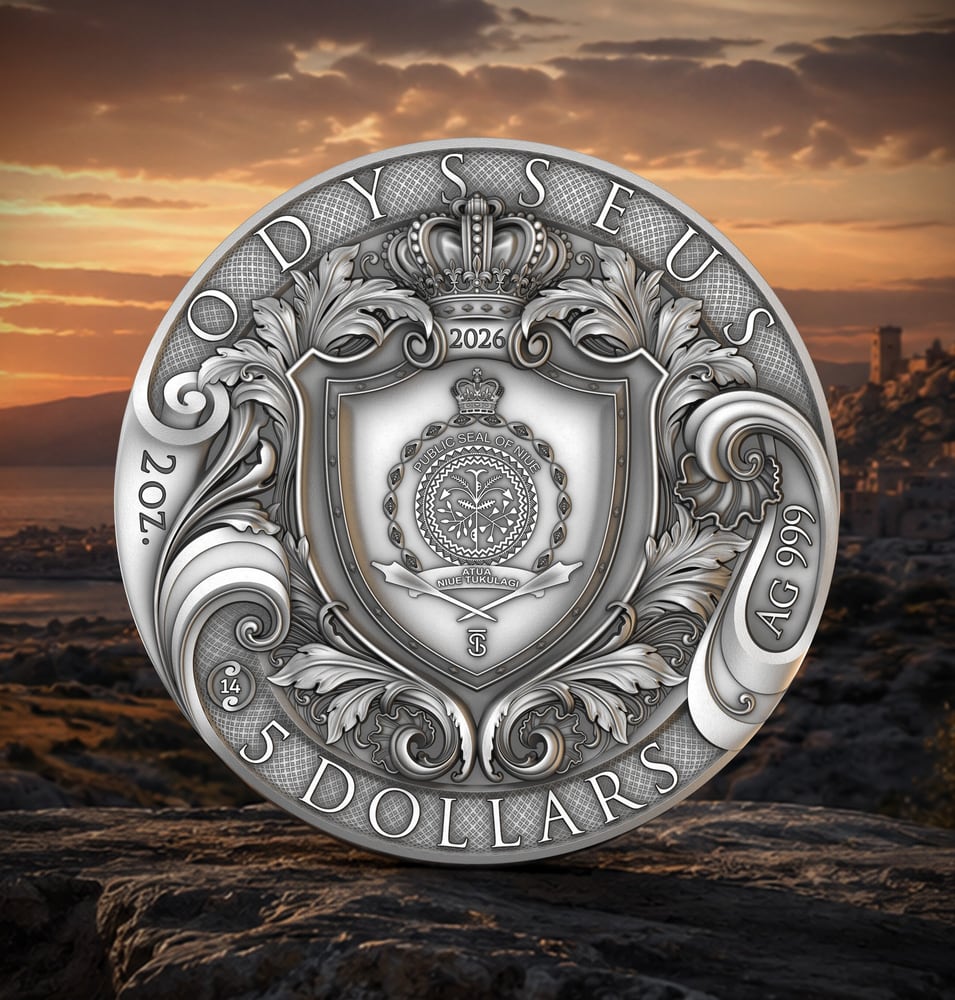
A coin marked 9999 contains 99.99 percent pure silver, what collectors call four nines fine. The remaining 0.01 percent is trace elements left from refining. The same purity appears written as .9999, 999.9, or Ag 9999, where Ag is the chemical symbol for silver. It tells you the metal content and nothing else: not the rarity, not the condition, not what the coin is worth.
Four nines against three nines
Pure silver is soft, which is why older circulating coins were struck from harder alloys. Sterling silver holds 92.5 percent silver, and coins made for daily use often held considerably less. Modern collector coins can be refined much further because nobody is going to carry them in a pocket.
A 9999 coin contains 999.9 parts silver per thousand. The more common .999 standard, three nines fine, contains 999 parts. The gap in metal value is marginal. What the higher figure signals is a refining and minting process held to a tighter tolerance, which is why issuers state it so precisely.
Purity and weight are separate markings and easy to confuse. A coin stamped 1 oz Ag 9999 holds one troy ounce, roughly 31.1 grams, of almost pure silver. Issuers present this differently, some stating fine silver content and others total weight, so the certificate or official specification is what settles it.
Why purity is only part of the price
Silver content sets a floor under a coin, not a ceiling. Most of what a collector pays for a modern issue sits above that floor: the mintage, the depth of the relief, the finish, the subject, the presentation.
A proof coin illustrates this well. Its mirrored fields and prepared dies are the reason people want it, and those same fields show every fingerprint. Two coins of identical purity can sit far apart in price because one was struck for appearance and the other for weight.
Antique finish, selective colouring and ultra high relief work the same way. They give fine silver a character that no purity figure can express, and they are the reason a 3 oz coin with hand applied colour sits in a different bracket from a plain 3 oz round of the same metal.
Reading a 9999 marking in context
Purity never arrives alone on a coin. Alongside it sit the denomination, the issuing authority, the year, the weight and, on limited editions, an edition number or an individually numbered rim. Coins issued for countries such as Cameroon, Palau or the Cook Islands are produced by specialist mints under official authority, and their appeal comes from that attribution combined with a small mintage and a distinctive design rather than from the metal alone.
Condition still matters when silver is this pure, and in some ways more. Fine silver picks up contact marks, milk spots and toning readily. Hold an unencapsulated coin by its edge with clean gloves, never polish it, and pay attention to how the coin is stored between viewings. Toning divides collectors, some finding it attractive, but cleaning leaves fine scratches that stay visible under angled light and cannot be undone.
One thing worth stating plainly, never test a collectible coin with acid, a file or any abrasive. Whatever the test tells you, the damage is permanent and the numismatic value goes with it. Weight, diameter and thickness checked against the official specification will answer most questions without touching the surface at all.
Dela:
Loki silver bars: choose between 1 oz and 10 oz